
Optimal Timing for Foundation Repairs
Spring offers moderate temperatures and increased moisture levels, which can facilitate certain repair techniques. However, excessive rain may cause delays.
Warm and dry weather in summer allows for uninterrupted work, but extreme heat can pose challenges for workers and materials.
Fall provides cooler temperatures and less rain, making it suitable for foundation repairs before winter.
Winter is generally less ideal due to cold temperatures, frozen ground, and potential for snow, which can hinder excavation and curing processes.
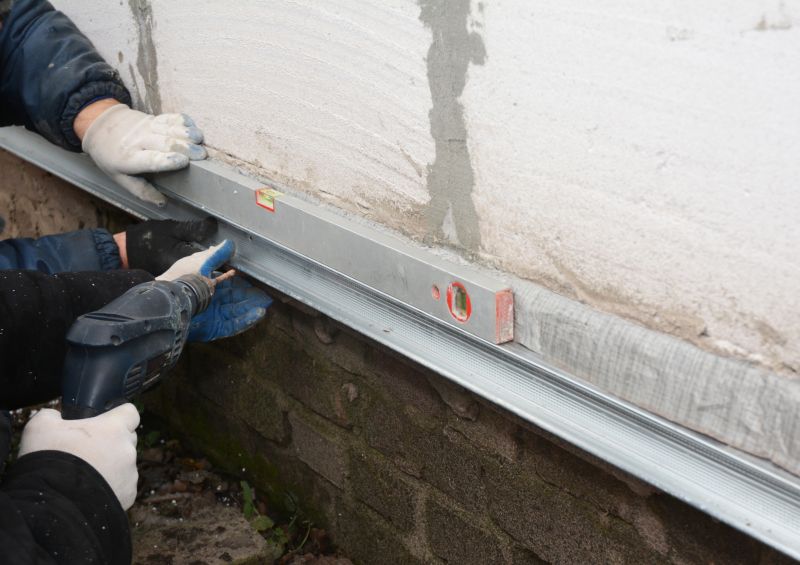
Spring's moderate weather can support foundation stabilization projects, especially when soil moisture levels are optimal.
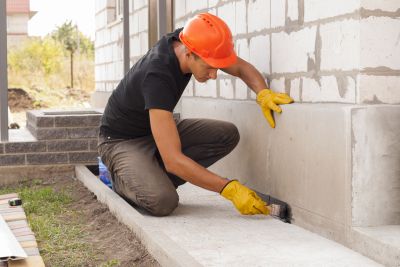
Summer's warm, dry conditions allow for efficient repairs, reducing the risk of weather-related delays.

Fall's cooler temperatures and lower rainfall make it an ideal time to address foundation issues before winter.

Ways to make Foundation Repairs work in tight or awkward layouts.
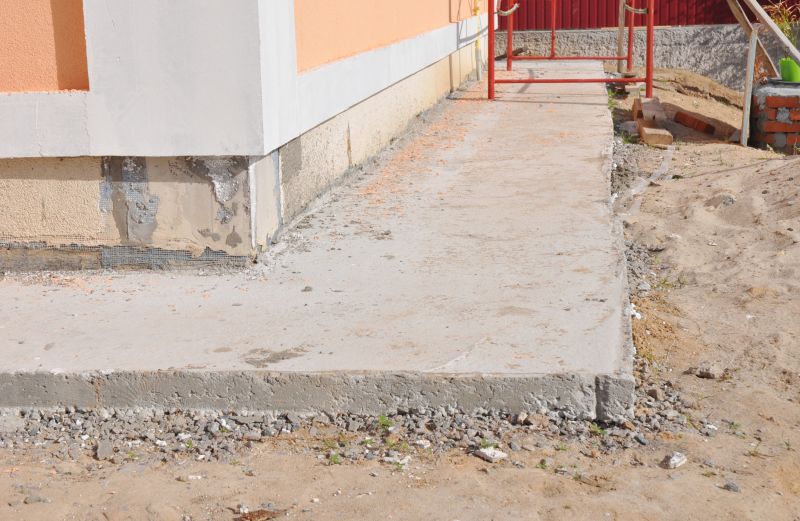
Popular materials for Foundation Repairs and why they hold up over time.
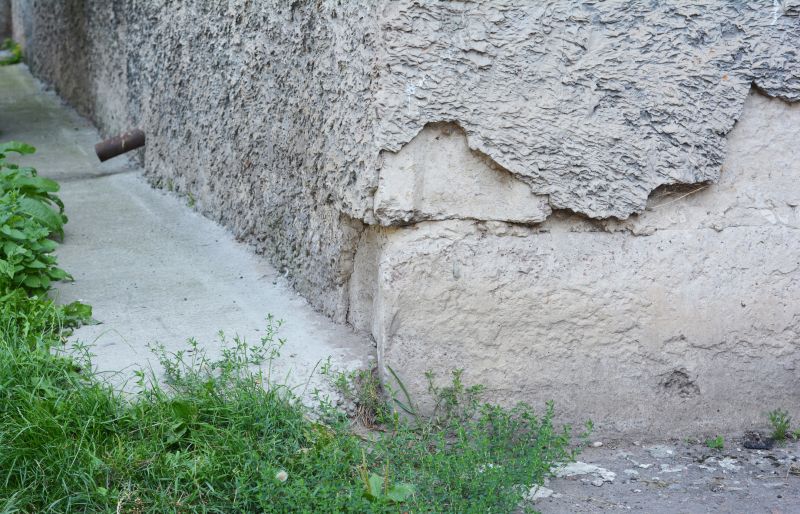
Simple add-ons that improve Foundation Repairs without blowing the budget.
| Season | Optimal Conditions |
|---|---|
| Spring | Moderate temperatures, increased soil moisture, potential for rain delays |
| Summer | Warm and dry, longer daylight hours, risk of heat stress |
| Fall | Cooler temperatures, less rain, ideal for preparation before winter |
| Winter | Cold temperatures, frozen ground, limited excavation options |
Foundation repairs are critical for maintaining the structural integrity of a building. They address issues such as settling, cracking, and shifting caused by soil movement, moisture changes, or age. Proper timing ensures that repairs are effective and durable, minimizing future problems and costs.
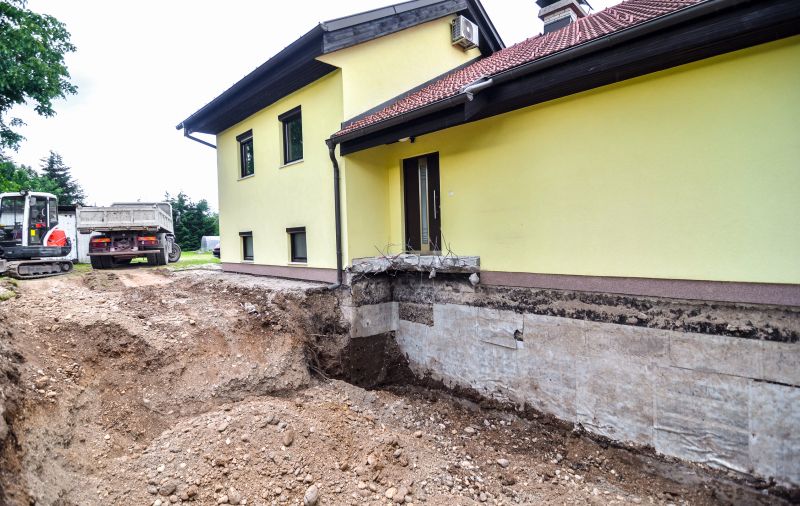
The process involves assessment, excavation, stabilization, and reinforcement to restore stability.
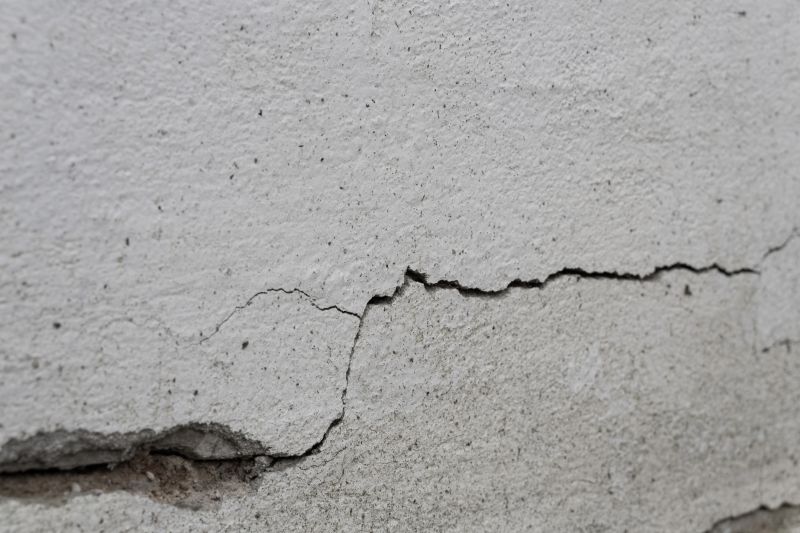
Cracks, uneven floors, and sticking doors are typical signs of foundation problems.
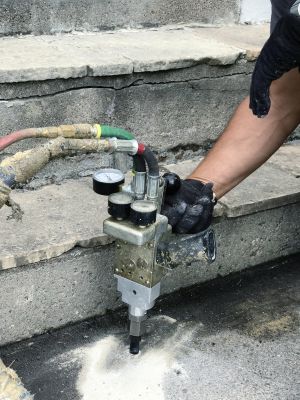
Hydraulic jacks, piers, and epoxy injections are common tools for foundation stabilization.
Timely foundation repairs prevent further structural damage and preserve property value. Regular inspections can identify early signs of issues, allowing repairs to be scheduled during the most suitable seasons for optimal results.
Cracks in walls or floors, doors that stick, and uneven flooring indicate potential issues.
A thorough evaluation ensures accurate diagnosis and effective repair planning.
Factors include extent of damage, repair method, and seasonal timing.
Regular inspections and proper drainage help prevent foundation issues.
Interested property owners in Stamford, CT, are encouraged to contact for assessments and guidance on scheduling foundation repairs. Proper timing combined with professional intervention can significantly extend the lifespan of a building’s foundation.